
What’s the real purpose of horse collars? Although at first sight they might look like simple accessories, they’re actually one of the most important pieces of equipment a horse can wear.
In this article, you’ll learn how collars work, the different types you can choose from, and how to measure and fit one properly. It’s all about making life easier for both you and your horse.
The Purpose of Horse Collars
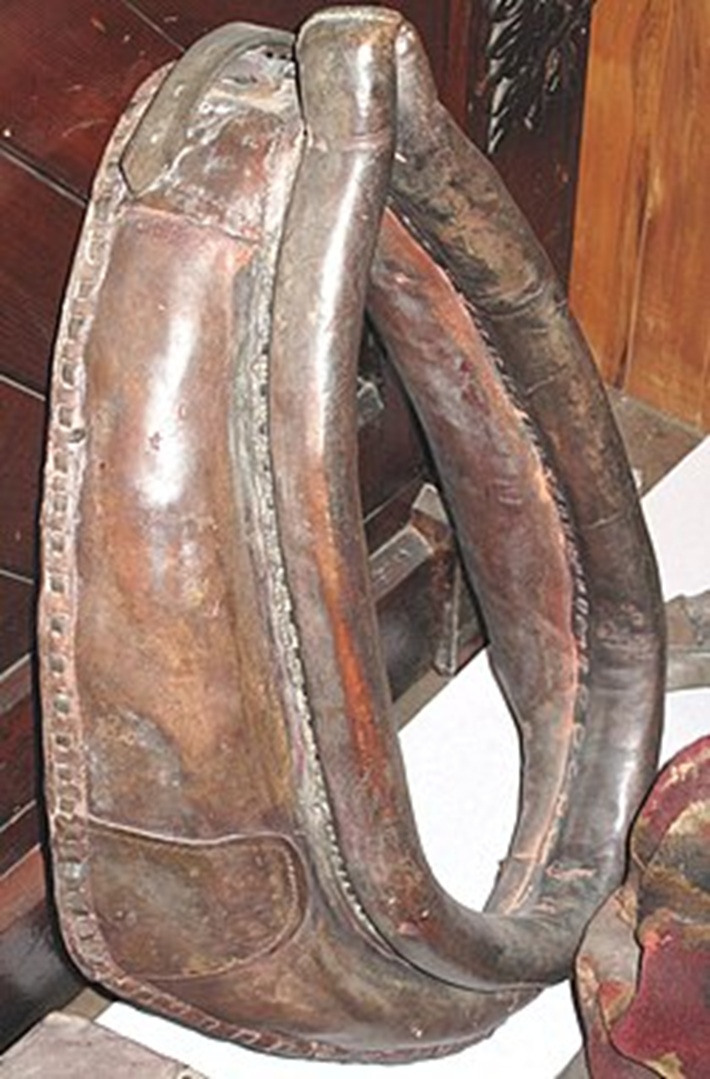
You might not expect much from horse collars the first time you see them, since they’re often seen as just another accessory. In reality, they’re one of those quiet essentials that actually have a purpose and can make life easier for both you and your horse.
They might look a bit like medieval torture devices, but with a guarantee, horse collars are designed to be comfortable, safe, and great for teamwork between you two. For riding, pulling, or simply leading your horse, today you can find a supportive horse collar that keeps everything steady and balanced so your horse can move freely without strain.
Comfort and Balance
You can be confident that these collars are made with your horse’s comfort in mind. In fact, going without one often causes more problems than it solves.
Imagine riding uphill or having to take a sharp turn all of a sudden. Without a collar, your saddle or harness could slip out of place, causing discomfort for your horse and a possible injury to you. A collar acts like a steadying hand, keeping tack secure while spreading out pressure so nothing digs in. Your horse stays balanced, and you stay in control.
Power and Practicality
Nature gifted horses with incredible strength in their hindquarters. Collars, whether traditional ones or neck and breast options, allow them to use that as their own power effectively.
Instead of pressing on the shoulders or choking at the neck, the collar rests comfortably around the neck and shoulders. This lets the horse lean into it and use the real strength of its hindquarters to push forward.
The padded, curved shape spreads out the pressure, so no single spot takes the strain, while the hames, those sturdy pieces attached above the shoulders, help line everything up with the horse’s center of gravity. The result is less stress, more comfort, and the ability to work harder and longer without wearing out.
Briefly About Their History
The collar for horses has a pretty interesting backstory. It first showed up in ancient China in the form of harnesses with simple breast straps. They were used around the 4th century BCE. About a hundred years later, the initial design had evolved into the true collar harness, and that’s when things really started changing.
The problem with the older harnesses was that they pressed on their necks and made it hard to breathe, which meant they couldn’t use their full strength. The collar solved that problem by letting them push forward with their powerful hindquarters. Suddenly, horses could pull heavier loads and work longer without tiring as quickly.
By the 4th century AD, this invention had spread worldwide and started transforming farming and transport across Europe. Fields were ploughed faster, carts carried more, and productivity soared. Over time, collars were refined to fit different breeds and jobs, showing off the skill of harness makers.
Even today, horse collars are still part of everyday horse work. What started as a clever invention thousands of years ago is still helping horses and humans cooperate smoothly to this day.
Everyday Benefits
Whether it’s driving, pulling competitions, or just keeping tack secure on a ride, horse collars for sale give you better control and clearer communication with your horse. They reduce stress by spreading pressure evenly.
Additionally, they help with training by making your signals easier to understand and allowing your horse to move naturally. They’re versatile enough to be useful in the arena, on trails, or even in busy areas.
Collars protect your horse from strain, give you steadier control, and make every task more comfortable. Next time you tack up, you’ll know that collar isn’t just regular horse equipment, but a part of the bond you share.
Types of Horse Collars
If you’re looking to buy horse collar, you should know the different types, their strengths, and differences to find the perfect match for your horse. Here are the most popular styles:
- Horse Neck collar: This one is like a padded loop that sits around the neck, for extra support when pulling heavier loads.
- Full collar: Built for serious work like farming, logging, or carriage driving, full collars spread weight across the shoulders evenly for comfort purposes.
- Breast collar: If fitted right, this one is like a strap across the chest that’s quick to put on and great for lighter vehicles or competitions.
- Traditional leather collars: Classic, durable, and stylish, these have been around for generations and are still great today.
- Ergonomic collars: They’re designed with extra padding and shaped to fit naturally, keeping your horse comfortable.
- Modern synthetic collars: These are lightweight, weather‑resistant, and easy to clean.
Think of choosing a horse collar as choosing the right tool for the task. You’ll both feel the difference when the fit is just right.
How to Measure and Fit a Collar?
Measuring and fitting a horse collar is all about making sure your horse is comfortable and ready to work. The old‑school way was to use two straight edges across the neck to get a rough size. These days, the go-to method is wrapping tape around the widest part of the lower neck or just under the armpit to get a number that can work.
Once you’ve picked a collar, place it gently on the neck and check that you can slide two fingers between the throat and collar without using any force. Adjust the hames so they sit in the right spots, then let your horse step forward under a light load. If everything feels even and there’s no rubbing afterwards, you’ve got a good fit.
Final Thoughts
Horse collars have been around for centuries. Today, you’ll find them in all kinds of styles, making it easy to match your horse’s needs with your own. Choosing the right collar will help you and your horse work together more smoothly and comfortably.


