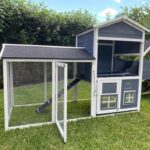
Guinea pigs are some of the most beautiful pets. They have such a cheerful character and love to move around. That’s why you need a comfortable enclosure to keep them active and protected at the same time. Choosing the right cage might seem overwhelming, but once you know the basics, it becomes easy to pick the best.
Types of Cages
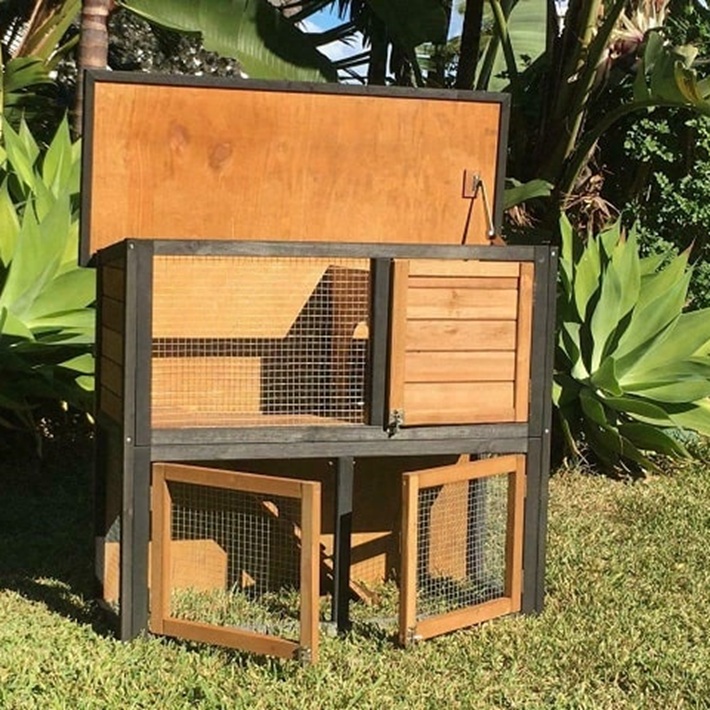
These cages come in several different varieties. They all have different advantages depending on the number of animals inside, the space available and the positioning of the cage (indoor or outdoor).
Hutch
A hutch is one of the most common and most traditional choices. It’s often used outdoors but can also be placed in sheltered areas and larger homes. These hutches are mainly made from wood and have both opened and closed areas where the animals can sleep, feed and move freely.
Because of the outdoor placement, a spacious and comfortable guinea pig cage gives the animals a lot of fresh air and natural light. However, they still need protection against wind, rain, predators and extreme temperatures.
Good ventilation is key. In some cases, these enclosures can trap heat and moisture, so having some type of ventilation will keep the space fresh and comfortable. If you want to give your guinea pigs enough space to run and play, invest in a hutch with attached runs. The animals will stay happy and active all day.
Multi-Level Cages
These types of cages are another common choice. They’re very popular among owners that want to save floor space inside their house. These cages have ramps, raised platforms, and even second levels that create separate areas for resting and feeding. It may look otherwise but guinea pigs aren’t natural climbers. Keep in mind that height should never replace proper ground space.
Make sure the cage has gentle ramps and low platforms so the animals are safer when climbing on and off levels. This is especially important if the guinea pigs are older or a smaller breed. If they’re designed carefully, multi-level cages can be a wonderful, spacious place for your guinea pigs to live.
C&C Cages
C&C cages are widely considered one of the best indoor housing options for guinea pigs. The C&C stands for cubes and coroplast. It refers to the plastic base and wire storage grids that are used to build the cage. The biggest reason these enclosures are popular is their excellent ventilation. The second one is that they can be customised into different shapes and sizes.
As an owner you can easily expand them and suit more than one or two guinea pigs inside. You can also create different play zones, hay zones or sleeping areas. C&C cages also allow for easy access during cleaning and feeding, making them practical for everyday use. Because of their open design, the animals can stay active and engaged all the time.
Plastic Bottom Cages
If you’re a first-time owner, it’s most likely you’ll choose this type of cage. It has a plastic bottom and wire top. These cages are commonly sold in pet shops and are readily available. They’re simple to clean, easy to move and come in various sizes.
However, many standard models sold in stores are too small for guinea pigs, especially when housing more than one. Choosing a larger version with enough uninterrupted floor space is essential to ensure guinea pigs remain comfortable, healthy, and active.
Things to Consider when Buying
Size
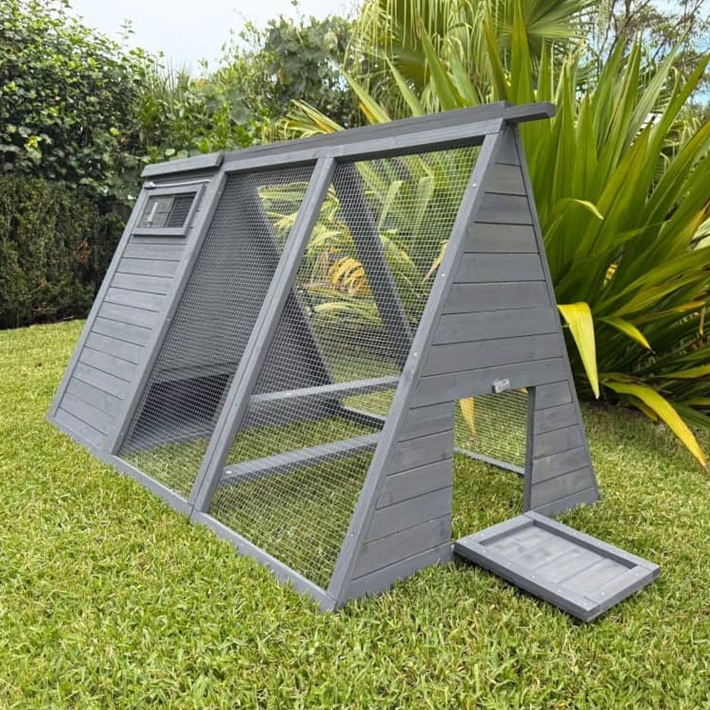
Having a cage in the right size is crucial for your guinea pigs. A cramped guinea pig cage will lead to stress, boredom and even health issues. If there’s only one animal, give it at least 0.6 m² of floor space. For each additional animal you bring in, there should be an additional 1 m² of floor space available.
The enclosure doesn’t have to be tall; it should be long and lower. These animals like to use the floor to run around. There’s no jumping or climbing. Another important thing is to measure the space you have available. Make sure you place it in a spot where it’s not in the way, it’s protected and makes cleaning and maintenance easier.
Materials
The material of the cage is important because durability, safety and hygiene depend on it. Wire cages with a solid base are one of the best choices. They have good ventilation and are easy to clean. Cubes and coroplast cages are also a good option because they’re customisable and can give the guinea pigs lots of space.
Wooden enclosures are perfect for outdoors. They’re sturdy, durable and can handle all weather. The most important thing is that they have good protective coating, so they don’t rot or corrode. Avoid cages with a flimsy construction and make sure they have good ventilation.
Ventilation and Safety
Respiratory issues can be a common problem among guinea pigs. However, they can be avoided if the enclosure has good ventilation. Wire cages are the best when it comes to ventilation. Plastic ones can be good, but they have to have mesh panels or a lot of openings.
To keep the animals safe, choose cages for guinea pigs with smooth edges and corners. This prevents both you and the animals from getting injured. Avoid placement underneath direct sunlight, heaters and near drafts. Pick a quieter place with no sudden noise or temperature changes.
Bedding
Bedding has a big impact on both safety and hygiene. There are several options to choose from:
- Fleece – soft, reusable, gentle
- Paper – absorbent, easy to replace, different thicknesses
- Aspen shavings – natural look, good odour control, good absorption
- Hemp – low dust, compostable, absorbent
Stay away from cedar shavings, cat litter, untreated pine shavings and scented bedding. These types of bedding can irritate the skin or respiratory system and be dangerous if eaten. Make sure you change the bedding regularly to keep the space clean, odour-free, dry and fresh.
Cleaning and Maintenance
Daily spot cleaning is what will keep the cage in good condition. Remove wet and soiled bedding and check for uneaten food. If it stays in the cage for longer, it can cause bacteria and mould buildup. Deep clean it once a week. Remove the bedding completely, wash the base and all the accessories and disinfect the toys. Always replace broken items and you’ll have happy and healthy guinea pigs that love their home.