Buying Pokémon trading cards gives you plenty to look forward to, from discovering new artwork to finding a card featuring a favourite character. With booster packs, collection boxes and individual cards available, choosing where to start can feel overwhelming if you’re new to collecting.
The trick is to understand what each product offers and what matters most to you. A little preparation will help you make informed purchases, avoid common pitfalls and build a collection you’ll enjoy for years to come.
Understand Packs, Boxes and Individual Cards
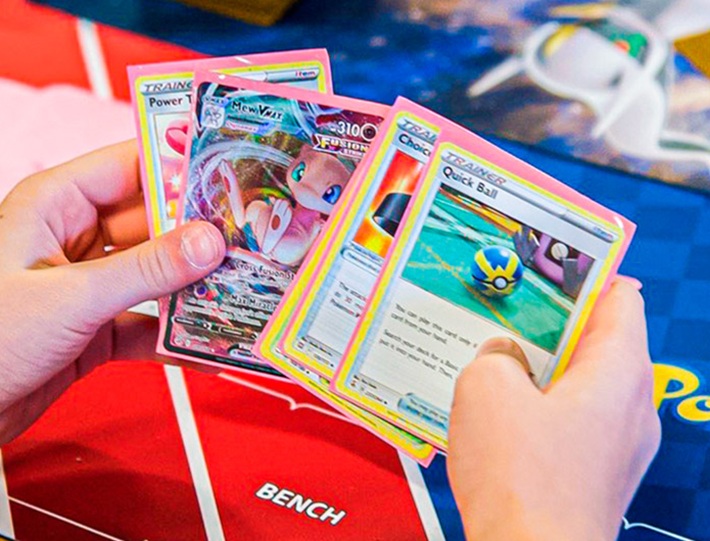
Before you buy Pokémon TCG products, familiarise yourself with the main options. The format you choose determines how you receive your cards and how much control you have over the results.
Booster packs contain a random selection of cards from a particular expansion. Opening them offers an element of surprise, making each pack an opportunity to discover something new. However, you can’t guarantee a specific card will appear.
Booster boxes contain multiple packs, making them an option for collectors who enjoy opening several packs from one expansion. Elite Trainer Boxes and collection boxes offer different combinations of contents, which may include booster packs, promotional cards, accessories or storage items. Check the listing to confirm what’s included.
Individual cards let you select exactly what you want. If you’re searching for a particular Pokémon or illustration, buying a single means you don’t have to rely on random pulls. This can be especially useful when you’re trying to find one specific card.
Consider the experience you prefer. Opening packs offers a surprise, while purchasing singles gives you greater certainty. Both approaches have a place in a collection, depending on your priorities.
Choose a Collecting Style That Suits You
Once you understand the available products, decide what you want your collection to represent. Having a theme gives your purchases direction and makes it easier to identify which cards deserve a place in your collection.
You could focus on your favourite Pokémon, collect cards from a particular expansion or look for illustrations by artists whose work you admire. Another option is to build a collection around a shared feature, such as cards depicting a particular type of Pokémon or a memorable scene.
Set collecting takes a little organisation. Each expansion has its own checklist, so tracking your progress helps you identify missing cards and decide when to buy singles instead of opening more packs.
You might also enjoy playing the Pokémon Trading Card Game. In that case, your priorities will include deck compatibility, card abilities, energy requirements, and current tournament rules. A card’s usefulness in a match can matter more to you than its appearance or rarity.
Your collection doesn’t need to follow a strict formula. Start with an interest that excites you, then refine your approach as you discover what you enjoy collecting most.
Verify Product Details and Authenticity
Once you’ve found a product that fits your interests, examine the listing before placing your order. Check the expansion, language, quantity, condition and product type. These details help you distinguish between similar products and avoid unexpected surprises.
For sealed products, confirm that the listing accurately describes the contents. For individual cards, check the condition and look for clear photographs, particularly if you’re buying a used copy. Scratches, edge whitening, creases and surface wear can affect its condition and collector appeal.
Authenticity deserves particular attention when a card carries a high price tag. Counterfeit cards may imitate official designs, but unusual colours, inconsistent printing, incorrect text or differences in construction can raise concerns. Compare questionable items with reliable images of genuine cards, and avoid relying on a single visual detail to establish authenticity.
Your choice of seller matters, too. Look for established retailers or sellers who provide clear descriptions, transparent policies and useful product photographs. Read customer feedback where available, and investigate prices that seem unusually low for a sought-after item.
Before paying, check the return policy and delivery costs. Knowing what to expect if a product arrives damaged or differs from its description makes the purchasing process more straightforward.
Understand What Makes a Card Collectible
After confirming that the Pokémon cards are genuine, you can consider what makes them desirable to collectors. Rarity, character popularity, artwork and condition all influence a card’s appeal, although their importance varies from one collector to another.
Rarity symbols and set numbering can help you identify a card’s place within an expansion. Special illustration cards, promotional releases and rare variants often attract attention. However, a rarity symbol alone doesn’t establish a card’s market price.
Character popularity and artwork also shape demand. Cards featuring well-loved Pokémon may appeal to a large fan base, while distinctive illustrations can attract collectors who appreciate the artistic side of the hobby. Sometimes, a card’s appeal comes from a memorable design rather than its rarity.
Condition and grading matter to collectors who prioritise preservation. They often examine centring, corners, edges and surface quality. Professional grading services assess cards according to their standards and encapsulate them in protective holders. However, grading comes at an additional cost and doesn’t guarantee a higher selling price.
Market demand can change as new expansions appear and collector interests shift. If you buy cards with resale value in mind, research recent sales of the exact card and account for its condition. Treat potential appreciation as uncertain rather than an expected outcome.
Set a Budget and Compare Your Options
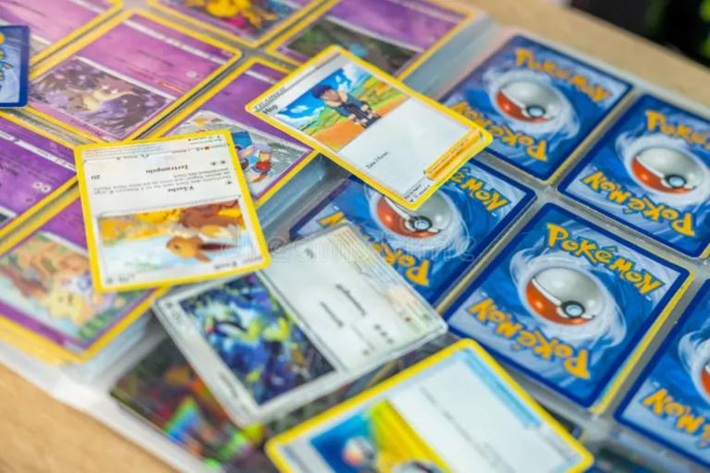
A budget helps you enjoy collecting without feeling pressured to purchase every new release. Decide how much you can comfortably spend over a week or month, then prioritise the products that matter most to you.
If you enjoy opening packs, set aside an amount for sealed products. Keep another portion for specific singles on your wish list if you want to fill gaps in your collection. This approach gives you room to enjoy the surprise of opening packs while keeping your spending focused.
Compare the total cost of each purchase, including shipping and any applicable additional charges. A product with a lower listed price might not offer the best overall value once delivery costs are included.
You can also maintain a simple spreadsheet to track spending, purchases and outstanding items on your wish list. Reviewing it before placing another order can help you avoid impulse buys and decide which purchase deserves your money next.
When you’re ready to buy Pokémon TCG products, take your time comparing listings and choose an option that fits your budget. You can always add more cards later.
Build a Collection You’ll Enjoy
A rewarding collection starts with informed decisions. Learn the differences between product formats, choose a collecting style that interests you and check authenticity before making a purchase. Understanding rarity and condition can also help you recognise what makes particular cards appealing.
As you explore different Pokémon cards, keep your priorities clear and your spending manageable. Whether your goal is to complete a set, find favourite illustrations or build a competitive deck, thoughtful purchases will help you get more enjoyment from the hobby.