What if you could have shower walls without any grouting, a fireplace that seems to have been carved out of marble, or a patio table that wouldn’t need any sealing? All of these ideas can be brought to life with one material: porcelain slab. While best known as kitchen countertops, this large, thin, non-porous surface is quietly moving into every other part of the home. Here are 7 ideas on how to use it beyond the kitchen.
What Are Porcelain Slabs?
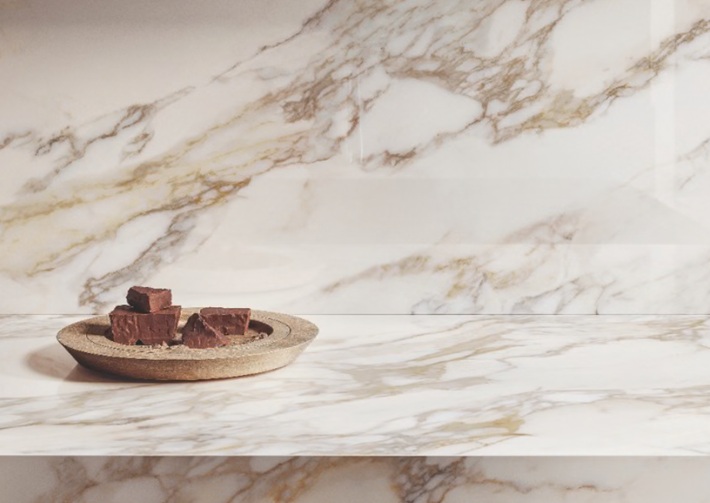
They are huge sheets manufactured out of fine clay, feldspar, and silica that are compacted under pressure and then baked at high temperatures. This process turns the sheet into an impermeable substance that doesn’t absorb liquid, withstands high temperatures, and is resistant to staining and scratching.
Unlike standard tiles, slabs are produced in very large sheets, often thin enough to stay light and thick enough, in heavier grades, to serve as countertops or outdoor paving. Their patterns are usually applied by digital printing, which lets manufacturers reproduce the veining of marble, the grain of wood or the texture of concrete and stone with striking realism.
Bathroom Walls and Showers
One of the best areas to install porcelain slabs is in your shower. A single panel can cover an entire wall, reducing grout lines, which are where mould and discolouration usually start. This makes cleaning quick and easy.
The material is excellent for rooms that are constantly exposed to steam and moisture. Choose a marble-look slab for a spa feel, or a matte stone finish for a more tranquil, textured room. The slabs can also wrap around your vanity and bath areas for a continuous look.
Porcelain is impervious and resilient to harsh cleaning products, shampoo and hair dyes. This means you won’t have to worry about staining in busy family bathrooms.
Feature Walls and Fireplaces
If you want to create a feature in your living room or entrance, a porcelain slab wall does it well with minimal effort. Using bold veining, especially in book-matched pairs where the pattern mirrors across two panels, creates a focal point that looks like solid natural stone. It also requires less maintenance than painted plaster or wooden panelling.
Dust and smudges wipe away easily, and the colour doesn’t fade or yellow.
Porcelain is great for fireplace surrounds as it tolerates heat well. Follow the manufacturer’s recommendations for spacing and installation, and consider using a professional installer for large panels.
Seamless Flooring
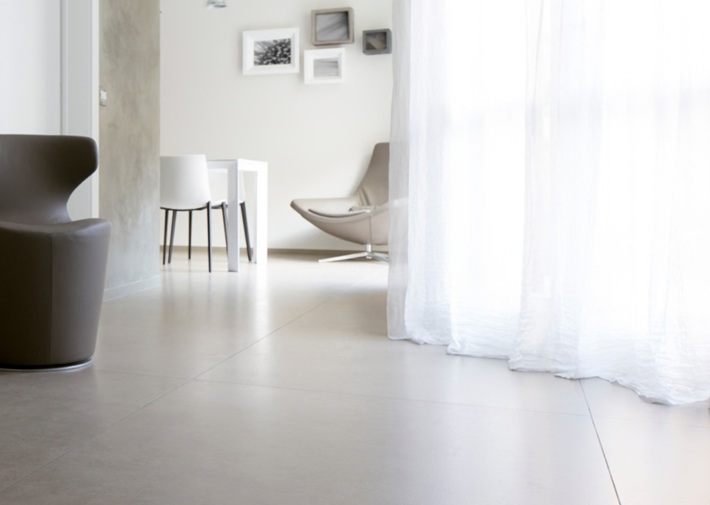
Large-format porcelain minimises the use of joints, giving your rooms a larger and cleaner look. It’s a great solution for open-plan areas, hallways and entrances. The hard-wearing porcelain slabs can handle pets, children and heavy foot traffic, and they work with radiant floor heating.
Textured and matte finishes ensure non-slippery surfaces in kitchens and bathrooms, while polished porcelain reflects light in darker rooms. It’s always best to see both in person, as the finish reads differently once it covers a whole floor.
Outdoor Kitchens and Patios
Porcelain is great for areas exposed to sun, rain and spills. It won’t fade from UV rays and won’t soak up water. It is a good choice for outdoor kitchen countertops and dining areas. When using porcelain for patios, look for thick pavers with an anti-slip finish. If you live in a colder climate, ensure the product has a frost resistance rating.
Tables, Vanities and Built-ins
Porcelain slab tiles aren’t just for permanent fixtures. Fabricators can create dining tables, coffee tables, vanity tops, shelving and desks. A tabletop that is resistant to hot dishes, red wine and general wear and tear is a great upgrade from wood or soft stone.
Thin slabs give your furniture a sleek look, while thicker edges give a more substantial, sculptural feel. If you want a bespoke feature, you can ask for a custom piece that matches your walls or floors.
Consider smaller touches too, such as a slab shelf in an alcove, a bench top in an entryway, or a console table cut from an offcut. Fabricators can often use leftover pieces from a larger project, which keeps costs and waste down.
Backsplash, Laundry and Wet Bars
Create a seamless look by using your countertop pattern on your walls. Using a slab backsplash will remove any grouting behind your stove or sink.
This is a great idea for laundry rooms, mudrooms, home bars and vanity tops in bathrooms. Small, hard-working areas will benefit the most from a wipe-clean surface.
Exterior Cladding and Pool Surrounds
Porcelain is becoming popular as an external cladding. You can use it to create feature walls next to your entrance or whole panels to clad your facade. It resists weathering and keeps its colour, so it holds up where paint and some natural slate tiles don’t.
Around pools, the textured surface provides a non-slip surface. Light coloured porcelain will also help keep the surface cooler in direct sunlight. As with any external use, ensure you choose a product rated for exterior conditions and have it installed by a specialist.
Takeaway
If you haven’t considered these slabs before, give them a second look. Go to a showroom and ask to see large slabs rather than sample sizes. Bring some photos of the rooms or exterior areas where you would like to use them. An expert can guide you through different finishes, thicknesses and designs to make sure you get the right one for your area. You might be surprised by how many of your other projects can be solved using the same material for your countertop.