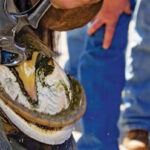
There’s more to maintaining a horse’s health than coat grooming; strength starts with looking after their hooves. After all, healthy hooves are essential for keeping them comfortable, happy and strong.
However, because of their unique shape and tendency to develop painful growths and sustain injuries, keeping a horse’s hooves healthy requires much more than simply keeping them clean and properly equipped. Because of the specific maintenance requirements, every farrier’s toolkit should include a wide variety of tools.
Building an effective toolkit starts with having the right horse hoof nippers. These unique, plier-like tools are essential for trimming, maintaining and removing excess growth from a horse’s hooves. They come in a variety of sizes and designs and are relatively easy to use, making them suitable for both professional farriers and horse owners who perform basic hoof maintenance at home.
However, with so many options available, choosing hoof nippers for horses to suit your business’s needs can be challenging. So, let’s explore some of the key features that make horse hoof nippers practical, easy to use and durable.
Different Types of Hoof Nippers
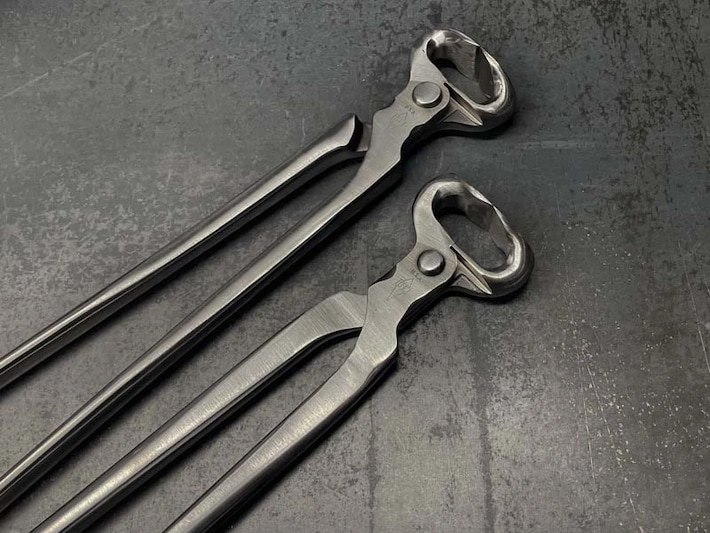
Horse nippers are designed with practicality and efficiency in mind. These key qualities have also contributed to the development of different varieties of hoof nippers, each designed to meet specific farrier and horse hoof maintenance needs.
Here are some of the most popular types of to help you become familiar with their uses and practical benefits:
- 12-Inch Hoof Nippers: If you’re working on a smaller horse or focusing on a smaller area of an adult horse’s hoof, you’ll need nippers that are suitable for detailed and precise work. The 12-inch hoof nippers are generally easier to handle and are great for areas where control and accuracy are particularly important.
- 14-Inch Hoof Nippers: This length is the average, go-to choice for most farriers. They offer a good balance between precision, leverage and control, making them suitable for trimming smaller areas as well as handling tougher hooves.
- 15–16-Inch Hoof Nippers: Some horses and jobs require more strength and leverage than precision, which is when it’s time to reach for 15–16-inch nippers. They’re particularly useful for removing stubborn sections of hoof, trimming overgrown hooves and working on larger, tougher hooves. However, despite their added leverage, these nippers can be harder to maneuver around smaller areas and may feel heavier and more difficult to handle during extended use.
Important Features to Consider
Although length plays an important role when choosing your next pair of hoof nippers for horses, there are a few additional features you’ll need to consider before making your final decision. This is because different features offer different practical benefits. While some models combine several useful qualities, others may require you to compromise on certain features depending on your specific needs and preferences.
Nippers
We’ve already discussed the different lengths of hoof nippers, but it’s also useful to understand the different options of nippers:
- Classic – In the example of the GE Classic, these nippers are the traditional choice, with a somewhat deeper throat that comes in handy with thicker cuts. Available in standard and racetrack jaws, they are ideal for long-term heavy use thanks to the sturdy material they’re made from.
- Half-round – When it comes to following the hoof’s curvature, or reaching tighter spots, this calls for the use of half-round nippers.
- Nordic – For a distinct farrier pattern that’s useful for more reach and balance, giving you a detailed and precise trim, try the Nordic Viking models.
Grip and Balance
The length and thickness of the handles play an important role in determining your grip and how comfortably you can hold the nippers. Larger handles generally provide more leverage, allowing you to apply greater force when trimming excess hoof growth. However, they can also be significantly heavier and more difficult to maneuver.
Most modern farrier tools feature ergonomic, non-slip handles to ensure a comfortable and secure grip throughout the trimming process. Wearing gloves can also help reduce strain on your hands while preventing calluses and injuries caused by prolonged use.
The balance of the nippers is largely determined by their central hinge. A well-fitted hinge keeps the two handles and jaws properly aligned, preventing them from shifting sideways during use. It should also move smoothly without becoming too loose or stiff. This is why regular maintenance, including occasional lubrication, is important for keeping the hinge working properly.
Steel Construction
Horse hoof nippers are typically made from specialized, high-strength steel, with drop-forged vanadium steel being a popular choice. This material stands out for its durability and ability to maintain a sharp cutting edge, even with repeated use.
Lower-quality or softer metals may bend, break or lose their sharpness relatively quickly, making them unsuitable for a farrier tool that needs to withstand frequent use. The sharpness of the jaw edges is important not only for your budget but also for the horse’s comfort and safety. Dull cutting edges can crush or damage the hoof instead of producing a clean, controlled cut.
Choosing well-constructed nippers made from durable steel helps ensure consistent cutting performance, reduces the need for frequent replacements and makes hoof maintenance safer and more efficient.
Final Thoughts
Farrier work is no easy task. One of the best things you can do for yourself and your horses in the long run is invest in farrier nippers that are strong, durable and suitable for the tasks ahead. Consider the different features, types and factors that contribute to a high-quality pair of hoof nippers, and make sure the ones you choose are beneficial not only for you but for your horse as well.
Your choice of hoof nippers can affect your comfort, safety and overall job satisfaction, not to mention the benefits that high-quality tools offer in providing a smoother, faster and more comfortable trimming experience for horses. If you’re still a beginner, start with a classic pair of 14-inch steel nippers and build your skills from there, one hoof at a time.