
What do you do when your horse starts showing signs of discomfort on hard or uneven ground, yet going barefoot isn’t enough and full shoeing feels like too much? Hoof sensitivity, bruising, and poor shock absorption are common issues that can affect performance and overall well-being.
This is where hoof pads come in. Designed to sit between the hoof and the shoe, or sometimes used with boots, these pads provide cushioning, protection, and support. They help absorb impact, reduce strain, and shield the hoof from harsh terrain.
Types to Consider
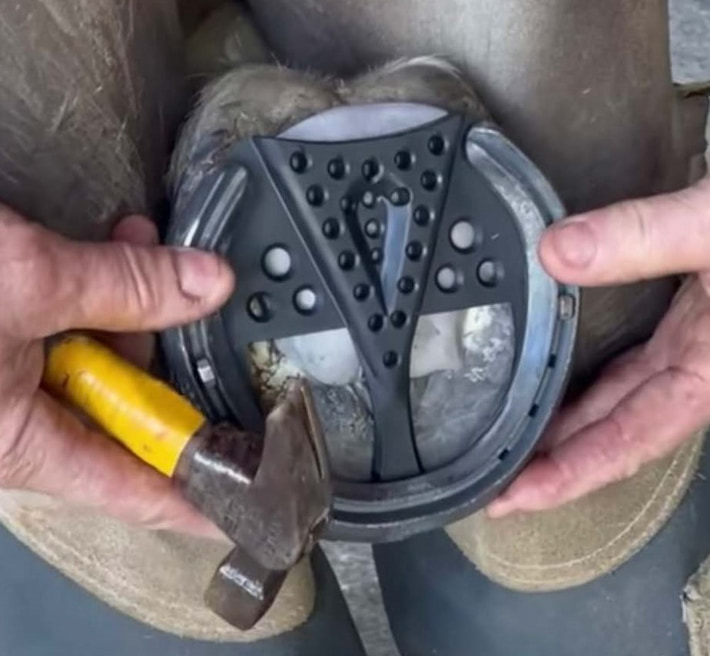
For horses struggling with soreness or demanding conditions, high-quality equine hoof pads offer a practical, problem-solving layer of comfort and care. Choosing the right type can make a noticeable difference in a horse’s comfort, movement, and overall hoof health.
Different designs serve different purposes. Some are mainly used for protection, while others provide structural support or corrective benefits. Understanding these options helps ensure the pad matches the horse’s specific needs rather than applying a one-size-fits-all solution.
Flat Pads for Everyday Protection
Flat hoof pads for horses are a straightforward and widely used option. They act as a protective barrier between the hoof and the ground, helping prevent bruising and discomfort on hard or uneven terrain. This makes them must-have supplies for horses in regular work or those exposed to challenging surfaces.
Wedge Pads for Hoof Alignment
Wedge pads are designed to adjust the angle of the hoof by slightly elevating the heel. This helps improve alignment and can relieve strain on tendons and ligaments. They are often used when a horse has low heels or requires corrective support to improve movement and posture.
Frog Support Pads for Balanced Weight Distribution
Frog support pads are designed to engage the frog and distribute weight more evenly across the hoof. By reducing pressure on the hoof wall and transferring some of the load to the frog, these pads can enhance stability and provide additional comfort, especially in horses needing extra support.
Pour-In Pads for Custom Fit
Pour-in pads offer a more tailored approach. They are applied in a way that allows them to conform to the exact shape of the hoof, creating even pressure distribution and improved shock absorption. This type is particularly useful for horses with sensitive soles or those requiring a more precise level of support.
Rim Pads for Targeted Coverage
Rim pads for horses’ feet focus on protecting the outer edge of the hoof while leaving the centre more open. This design is often chosen when protection is needed without fully enclosing the sole, allowing for a lighter and less restrictive solution.
Full-Support Pads for Maximum Coverage
Full-support pad choices cover the entire underside of the hoof, offering the highest level of cushioning and protection. They are typically used in more demanding conditions or when the hoof requires comprehensive support to maintain comfort and performance.
Materials and Their Benefits
The performance of equine hoof pads largely depends on the material used, as each type offers distinct advantages for protection and comfort. Softer materials are often chosen for their ability to absorb shock effectively, helping reduce impact on sensitive hooves and improving overall comfort during movement.
These are especially useful for horses working on hard or uneven terrain where extra cushioning is needed. More rigid materials, on the other hand, provide strong structural support and durability. They help maintain hoof stability and are often preferred for horses in heavy work or those requiring long-lasting protection.
Some materials also offer a balance between flexibility and strength, allowing the hoof to move naturally while still being supported. Moisture resistance is another key benefit, as certain materials help prevent water retention and reduce the risk of softening or damage in wet conditions.
Installation and Fit
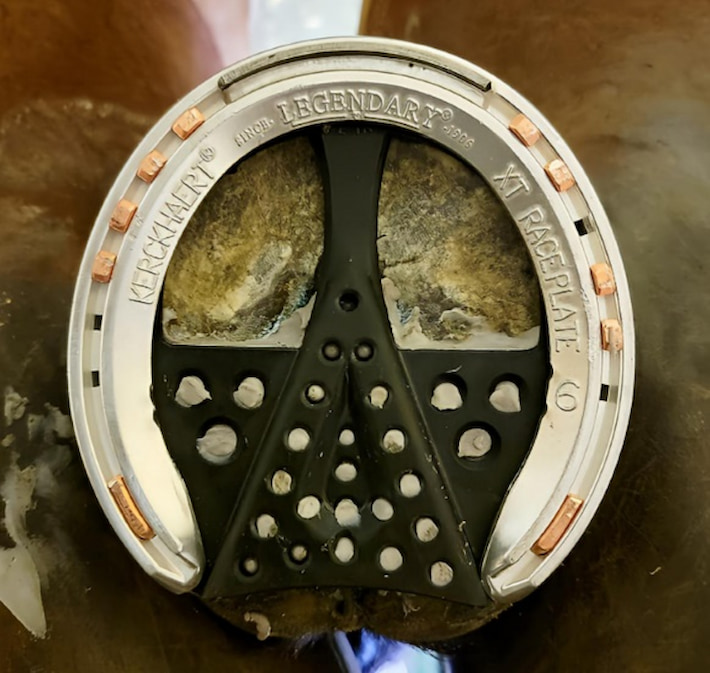
Proper installation and fit are essential for delivering the intended comfort and protection. The pad must sit evenly between the hoof and the shoe, without gaps or pressure points that could cause imbalance or discomfort. A precise fit helps distribute weight evenly across the hoof, reducing strain and improving stability during movement.
Incorrect placement can lead to rubbing, uneven wear, or reduced effectiveness of the pad. For best results, installation should be carried out by a skilled farrier who can assess hoof shape, select the appropriate size, and secure the pad correctly for optimal performance and safety.
Maintenance and Care
Regular maintenance and care of horse shoe pads are essential to ensure they continue to perform effectively and support hoof health. Routine checks should be carried out to spot signs of wear, shifting, or debris build-up between the pad and the hoof. Keeping the hoof clean and dry helps prevent irritation and reduces the risk of infection. The horseshoe pads should be inspected during regular farrier visits, where any necessary adjustments or replacements can be made.
Potential Drawbacks
While hoof pads offer valuable protection and support, they are not without limitations. If fitted incorrectly, they can create uneven pressure points that lead to discomfort or altered gait. Poor installation may also trap moisture and debris, increasing the risk of thrush or bacterial build-up inside the hoof.
Some pads may reduce natural hoof flexibility if used continuously without breaks, potentially affecting long-term hoof function. Additionally, not every pad type suits every horse, so incorrect selection can limit effectiveness. Regular monitoring and professional fitting are essential to minimize these risks and ensure the pads remain beneficial rather than problematic.