There’s a huge difference between riding a board that fits your style and riding one that doesn’t. The right match makes going down the mountain feel more natural and fun. The wrong one will make everything harder for you. So, before you set foot in the ski and board shop, take a few minutes to understand what you need.
Start With Your Riding Style
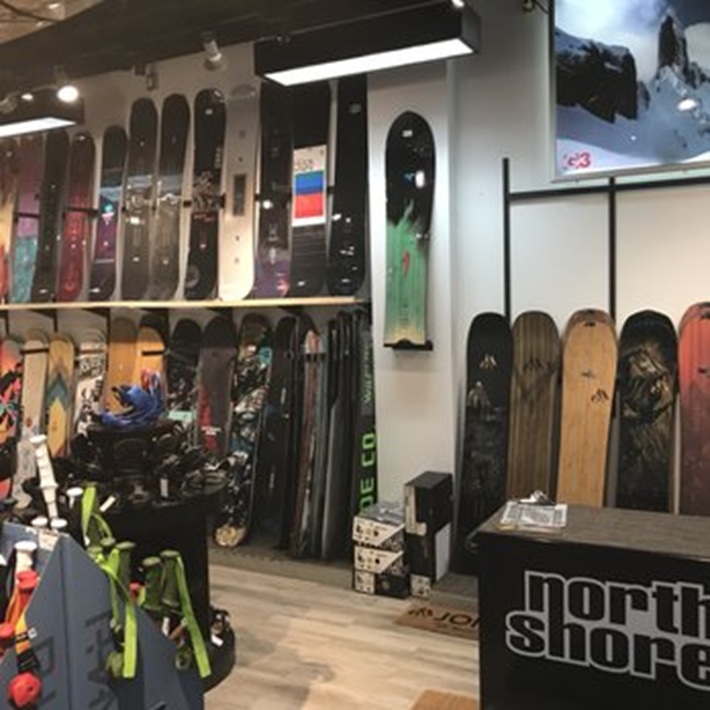
There is one single question you must ask yourself before moving on: Where and how do I ride? The answer shapes every other decision. Snowboards are created to fit specific terrains and riding styles. A board that’s built for deep powder will prove to be a nightmare on groomed slopes. And then you have all-mountain, park and freestyle, freeride, and powder boards, plus splitboards for backcountry touring – each one tuned for a particular style.
- The all-mountain category is by far the most common choice, and there’s a reason why. They’re made to be a bit of everything: perfect for groomers, trees, maybe some park and a little powder. If you’re unsure about what you want, this is your go-to category.
- The park and freestyle category covers smaller, lighter boards with a twin shape (symmetrical from nose to tail). Perfect for all sorts of tricks, jumps and rail work, they’ll give you a lot of fun, but their lack of stability might cause trouble during high-speed riding.
- Freeride boards cater to those who enjoy going fast on steep terrain with no intentions of visiting the park. Directional, stiff and built to carve hard, freeride boards give you all you need to shred all day long on the steepest parts of the mountain.
- Powder boards are a specific tool designed for a specific task. These boards are wide and often have a rockered nose, which performs wonderfully in deep snow, but is slow and cumbersome on hard-packed groomed runs. This is an ideal quiver board if you already have a daily driver.
- The splitboards split down the middle, so you can skin up like a skier and put them back together to descend.
Now, if you’re still unsure which board is for you, ask someone who rides. A well-stocked board shop not only carries the equipment but also has knowledgeable staff that can help you find the right gear.
Board Shape and Camber
The board shape, and especially its camber profile, affects its performance. The classic camber profile means the board curves upward in its middle section when placed flat on the ground. This gives a springy, responsive feel suitable for carving and popping. The rocker or reverse camber curves the other way, making the board more floaty and preferred by beginners and park riders.
When it comes to the board’s nose and tail shape, directional boards are meant to be ridden in one particular direction only and are good for powder and freeride riding. Twin boards are completely symmetrical and can be used in either direction – vital for freestyle. Directional twin boards lie somewhere in between and suit most all-mountain riders.
Length and Width
One common beginner mistake is assuming height is the only factor for board length. While height does matter, your weight is actually a better guide. The board should be able to support the body’s weight properly. Too short, and the board will be less stable. Too long, and it’s harder to manoeuvre. As a general starting point, the nose of the board should come somewhere between your chin and your nose when standing it vertically.
Width is important as well. Boots that go beyond the board edge will get caught in the snow when you’re leaning on the edge and send you flying. If you wear bigger boots, use wide-format boards.
Flex Rating
Every board has a flex rating, typically in the range between 1 (soft) and 10 (stiff). The softer the board, the less demanding it will be, easier to butter and press, and the perfect choice for beginners and park riders. The stiffer boards are more powerful and capable of holding an edge while going fast. They are appropriate for aggressive riders and heavier individuals. Most recreational riders fall in the 4-6 range.
Don’t Forget the Rest of Your Equipment
A snowboard doesn’t ride on its own. Your bindings should be compatible with the snowboard and match your style. Your boots should fit well and match your binding’s flex. A good board shop has the full setup: snowboards, boots, bindings, goggles, helmets, and other accessories.
Before You Buy
If possible, test some boards before making a purchase. Many resorts and ski shops offer demo programs that let you try models right on the slopes. It means much more than reading specifications from the sheets. If you are a total beginner, it would be better to rent a snowboard for your first season.
Don’t get carried away on your first board purchase. It’s easy to be tempted to jump right to the top-of-the-line models, but a mid-level board from a quality manufacturer will suit you well until you figure out your style.
The message here is clear: buy based on how you ride, not on how you think you should ride. A good match will make you a happy rider regardless of how much you spend.