
A plain sheet of paper may seem simple and empty, but in the hands of origami enthusiasts it can be folded into a masterpiece. As you probably know by now, origami doesn’t require much to get started. In its most traditional form, all you need is a piece of plain square paper and a desire to make creases.
However, if you’d rather reduce the chances of misaligned folds and starting over, there are plenty of origami kits with coloured paper sheets that come with instruction books to guide you as you go. Along the way, origami kits can also help improve attention, memory, patience and psychomotor skills.
Practice Patience

In today’s fast-paced digital world, it’s easy to get used to instant results. Messages arrive in seconds, videos play with a tap, and information is always just a quick search away. While this convenience is helpful, it can also make it harder to slow down and focus on tasks that take time.
Well, origami doesn’t work that way. You have to dive deep, stay patient, and keep calm when things don’t work out. A single wrong crease can change the final result, which encourages you to think about each step instead of rushing through it. There is no shortcut and no way to skip ahead.
As you continue folding origami paper, you start paying more attention to detail and become more aware of your movements. Over time, this builds patience in a natural way, without feeling forced or structured.
Origami also gives a clear sense of progress, which helps keep motivation steady. Each fold brings you closer to a finished shape, reminding you that small, consistent steps can lead to something meaningful. Although it can be difficult at first, once you give in to the fact that this is going to take time and stay in the process, you will see the magic come alive.
Increase Relaxation
In these times of speed and excess of stimuli, this ancient form of paper-crafting can also be an escape from the noise. Same as other meditation and mindfulness therapies, it’s a way to connect with ourselves and with the present.
The repetitive and precise movements needed to create a delicate paper figure activate the brain mechanisms needed to reduce stress and anxiety. At a time when life has a frenetic pace, dedicating time to activities that require calm, patience and attention is a way of rediscovering your zen.
When choosing a kit for relaxation and practicing mindfulness, you can opt for beginner-friendly options that aren’t too complex. Look for clear, visual step-by-step instructions rather than long written explanations. These are easier to follow and more calming to work through.
Next, kits that include softer paper can also make folding more enjoyable and less frustrating. It’s also worth choosing themes that are soothing or personal to you.
Embrace Mistakes
With origami projects, you’re likely to make mistakes all the time. Unless you’re a pro, you’re bound to go wrong at some point in the process. But that is totally fine, as origami lets you unfold, retrace your mistakes and undo them with an alternate fold. You get to flatten the previous crease and begin again. Origami teaches us that mistakes are okay, as long as we see them as chances to identify what went wrong, make corrections, and improve.
Follow Instructions
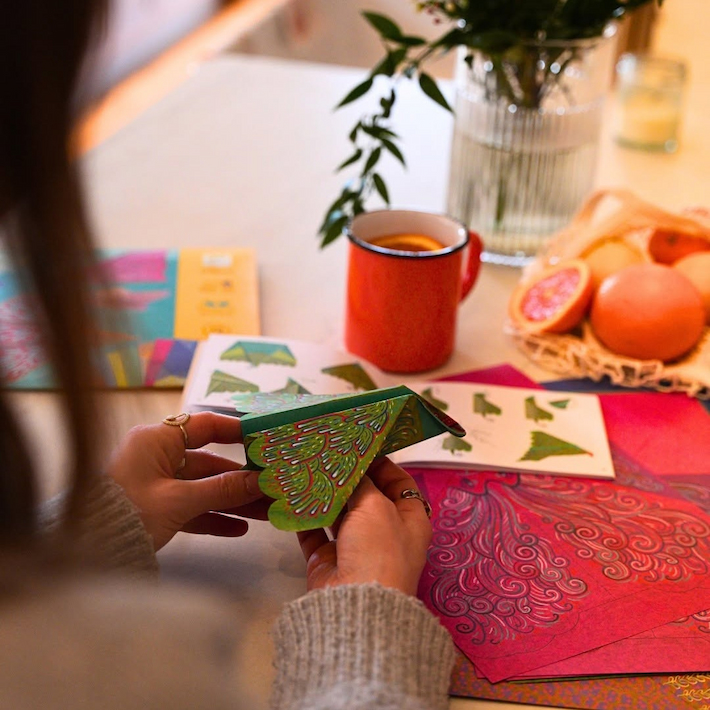
In origami, following instructions is just as important as the folding itself. Each model is built step by step, and every crease depends on the one before it. This makes the activity a practical way to develop the skill of following instructions carefully and in order.
This skill is often linked to focus, memory, and attention to detail. When someone struggles with instructions, it’s usually not about ability, but about pace or clarity. Some people rush, skip steps, or lose track halfway through a process. Others may find written or visual instructions overwhelming, especially if they involve multiple stages or unfamiliar terms.
Origami helps with this by encouraging a slower, more mindful approach where each step is small and manageable.
The origami kits can make this even easier to practise. Most kits come with illustrated step-by-step guides that show exactly what to do at each stage. Instead of long explanations, they often use diagrams, arrows, and numbered sequences, which makes the process more visual and easier to follow.
For beginners, the instructions are usually very simple, focusing on basic folds and clear progression. As skill levels increase, origami kits introduce more complex models with additional steps and techniques. This gradual increase in difficulty helps learners build confidence without feeling overwhelmed.
Sequential Thinking
Sequential thinking means working step by step in a clear order. Origami sets are a great way to develop this skill. That’s because they guide you through structured instructions from start to finish.
Each fold must be completed in the correct sequence. Skipping or mixing steps can change the final result and leave you with something that doesn’t quite look like what it’s supposed to be. When you follow these step-by-step guides, you learn to stay organized, focus on the process, and understand how small actions build towards the final design.