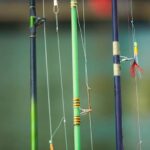
Saltwater fishing puts unusual demands on fishing line. Strong currents, structure, long casts, large fish and abrasive surfaces can all place considerable pressure on a setup. The saltwater fishing braided line has become a popular choice because multiple synthetic fibres are woven together to create a thin line with high strength and very little stretch.
That combination can provide greater spool capacity, good casting distance, and direct contact with a lure or bait. Unlike monofilament, braid does not rely on a single strand of material. Its construction also gives it very little memory, meaning it is less prone to retaining the tight coils associated with some traditional lines.
However, its low stretch and relatively visible profile mean that it is not automatically the best choice for every situation. The conditions, target species, and rest of the tackle should all influence the final selection.
Strength Where It Counts

A braided fishing line for saltwater is particularly useful when anglers need substantial breaking strength without filling a spool with a comparatively thick line. Compared with monofilament, braid offers much less stretch, a thinner diameter for its strength and greater sensitivity, making it particularly useful when detecting subtle bites or fishing deep water.
Monofilament, by contrast, provides considerably more stretch and can offer useful shock absorption, while its greater diameter can make it less efficient when maximum line capacity is important.
When targeting fish around reefs, rocks, wrecks or open water, choosing the right braided fishing line for saltwater means weighing breaking strain, diameter and abrasion resistance against the demands of the environment.
The saltwater braided line is available in a broad range of strengths and spool lengths. The selection includes conventional solid-core constructions as well as hollow-core options, with breaking strains extending from relatively light applications through to heavy-duty offshore fishing. Spool lengths also vary considerably, making it possible to choose according to the amount of line.
Fibre to Fishing
Not all saltwater fishing braided lines are made in the same way. Strand count affects the line’s texture, shape, casting behaviour and suitability for different environments. Four-strand braid generally has a more pronounced texture and can be useful where abrasion resistance and rugged handling are priorities.
Eight-strand construction is typically smoother and rounder, which can reduce friction through the guides and support longer, quieter casts. Higher-strand constructions are also available for specialized heavy-duty applications, while hollow-core braid can be useful where splicing or certain advanced rigging techniques are required.
Colour is another variable. High-visibility colours can make it easier to track the line above the water, while darker or lower-visibility shades may be preferred when a more discreet appearance is desirable. Multi-colour designs can also help anglers estimate depth or line released during vertical fishing.
The Catch and Conditions
Light inshore lure fishing, surf casting, reef fishing and offshore work can place very different demands on the same spool of line. Consider the expected size and behaviour of the target species, but also examine the structure around it. Rocks, reefs, wrecks, jetties and other hard surfaces increase the risk of abrasion, so a tougher construction can be preferable even when the fish themselves are not exceptionally large.
Open water, meanwhile, may allow a thinner line to be used more effectively for improved capacity and reduced resistance. The reel matters, too. Line capacity, spool dimensions and the manufacturer’s recommended specifications should be considered before selecting a breaking strain.
Going substantially heavier than necessary can sacrifice capacity and alter casting characteristics, while going too light can leave insufficient margin when a fish reaches structure. Braid is commonly paired with a monofilament or fluorocarbon leader.
The leader provides additional abrasion protection and can be less conspicuous underwater, while the braid remains the main line for its strength, capacity and sensitivity. Braid can remain serviceable for several seasons, but saltwater use, abrasion, UV exposure and frequency of fishing all affect its working life.
Rinse the spool with fresh water after each saltwater session, allow it to dry fully and inspect the exposed line regularly. Replace or reverse the braid when it becomes visibly frayed, fuzzy, flattened or rough rather than relying solely on a calendar-based replacement date. Some additional tips include:
- Match the breaking strain to the target species, surrounding structure and expected drag pressure.
- Compare diameter and strand construction alongside breaking strain, since two lines with similar strength can behave differently when casting, retrieving or fishing around cover.
- Consider the fishing depth and required spool capacity before choosing the amount of line, particularly for offshore fishing where long runs and deep water can quickly consume capacity.
- Pair braid with a suitable leader and learn a reliable braid-to-leader connection, as the main line and leader perform different jobs within the same setup.
- Inspect the working section regularly for fraying, roughness or other damage, particularly after contact with rocks, reefs, docks or other abrasive surfaces.
A Stronger Choice for the Next Cast
There is no single saltwater braid that suits every technique, species or environment. The most useful choice is the one whose construction, strength, diameter, capacity and handling characteristics complement the rest of the tackle.
For anglers deciding between lighter and heavier options, the important question is not simply how strong the line is. It is whether that strength provides an appropriate balance of capacity, sensitivity, casting performance and resistance to the conditions likely to be encountered. Once those factors are considered together, selecting a suitable braid becomes far more straightforward, and the line can perform the job it was chosen to do.